
A Tarnished Reel: My Haunted Journey Through The Casting of Frank Stone
The Casting of Frank Stone review: Supermassive's Dead by Daylight horror weaves dual timelines but falters with bland characters and a dull killer.
It’s 2026, and there’s a strange sort of comfort in knowing that Supermassive Games are still serving up their signature interactive horror buffets, even if the recipes have been simmering on the back burner for nearly a decade. I remember booting up The Casting of Frank Stone with the fervor of a film student discovering a forgotten slasher flick, ready for that familiar rush of life-or-death decisions. But like a film projector with a stubborn sprocket, the experience stuttered between moments of brilliance and stretches of dull, repetitive flicker, leaving me more haunted by what could have been than by what actually lurked in the dark.
My first thrill came from the premise itself—it was like discovering a secret corridor that links two entirely separate mansions. The Entity, Dead by Daylight’s eldritch spider at the center of an interdimensional web, pulls in another cast of unfortunates, this time knotting together a group of 1980s indie filmmakers and a 2024 salvage crew. I was a newcomer to the DbD lore, so every cryptic mention felt like peeling back the skin of a smoke-glassed onion, revealing raw, unexpected layers. The dual timelines meshed surprisingly well: the grainy handheld-camera aesthetic of 1980s Cedar Rapids crackled with a youthful, doomed energy, while the sterile, glitching mansion of 2024 hummed with a more insidious tension. I reveled in connecting the dots, my choices weaving branching paths that, remarkably, never tangled into the incoherent mess I’d feared after the weaker Dark Pictures outings.
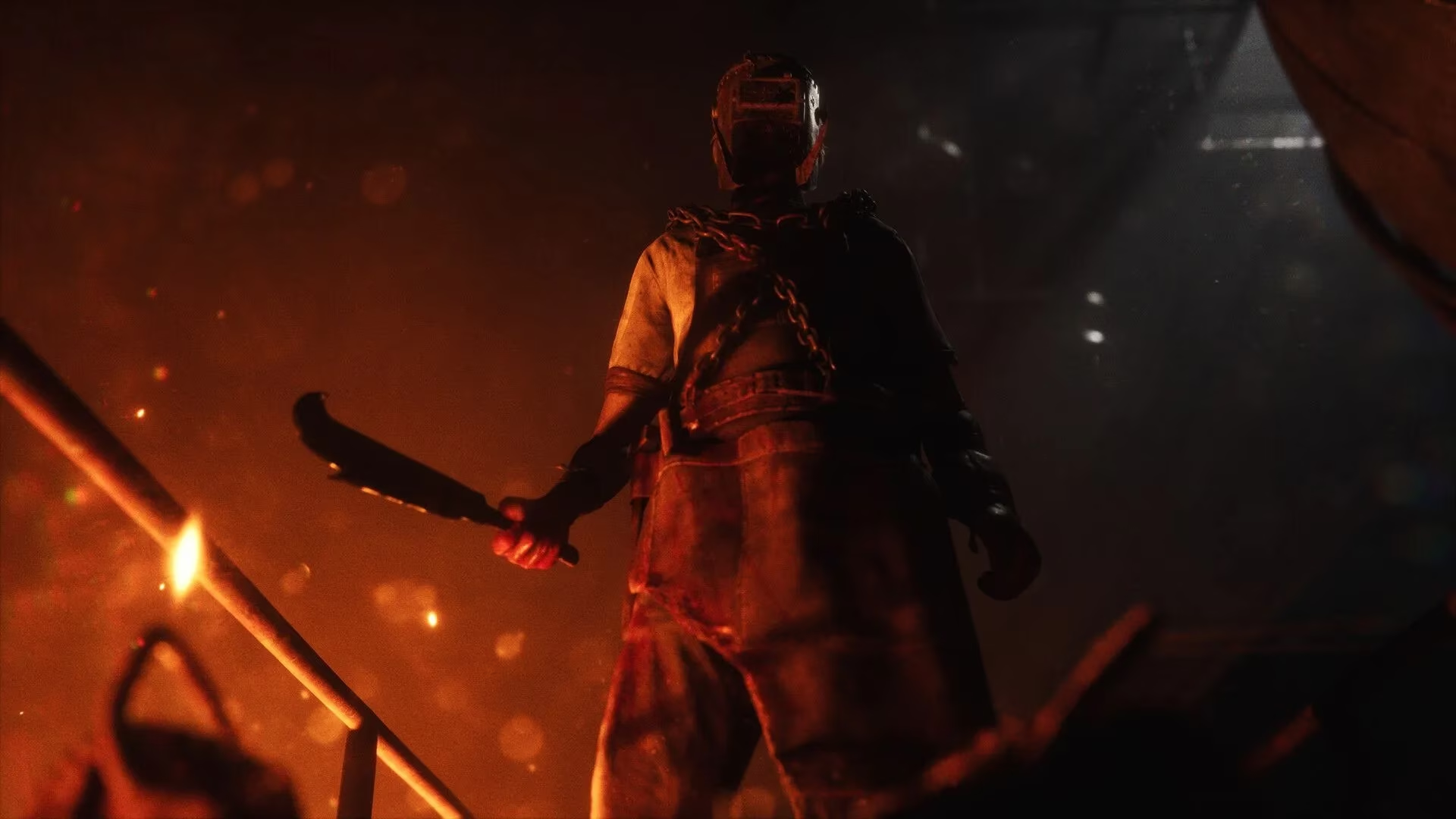
But here’s the rub: a story is only as compelling as the people living it, and too many of these characters grated on my nerves like a mosquito practicing scales on the inside of my skull. Linda, the determined director, was a torchbearer, but her companions often felt like stock archetypes whose dialogue options were chosen by a mischievous poltergeist. And Frank Stone himself? The titular killer’s melted welder face is a magnificent piece of concept art, yet he stalks through most of the game as a generic ghoul, his motivations spread thinner than stage blood. Even now, two years later, his legend feels like a film trailer that promised a masterpiece but only showed its monster in a few disappointing flashes.
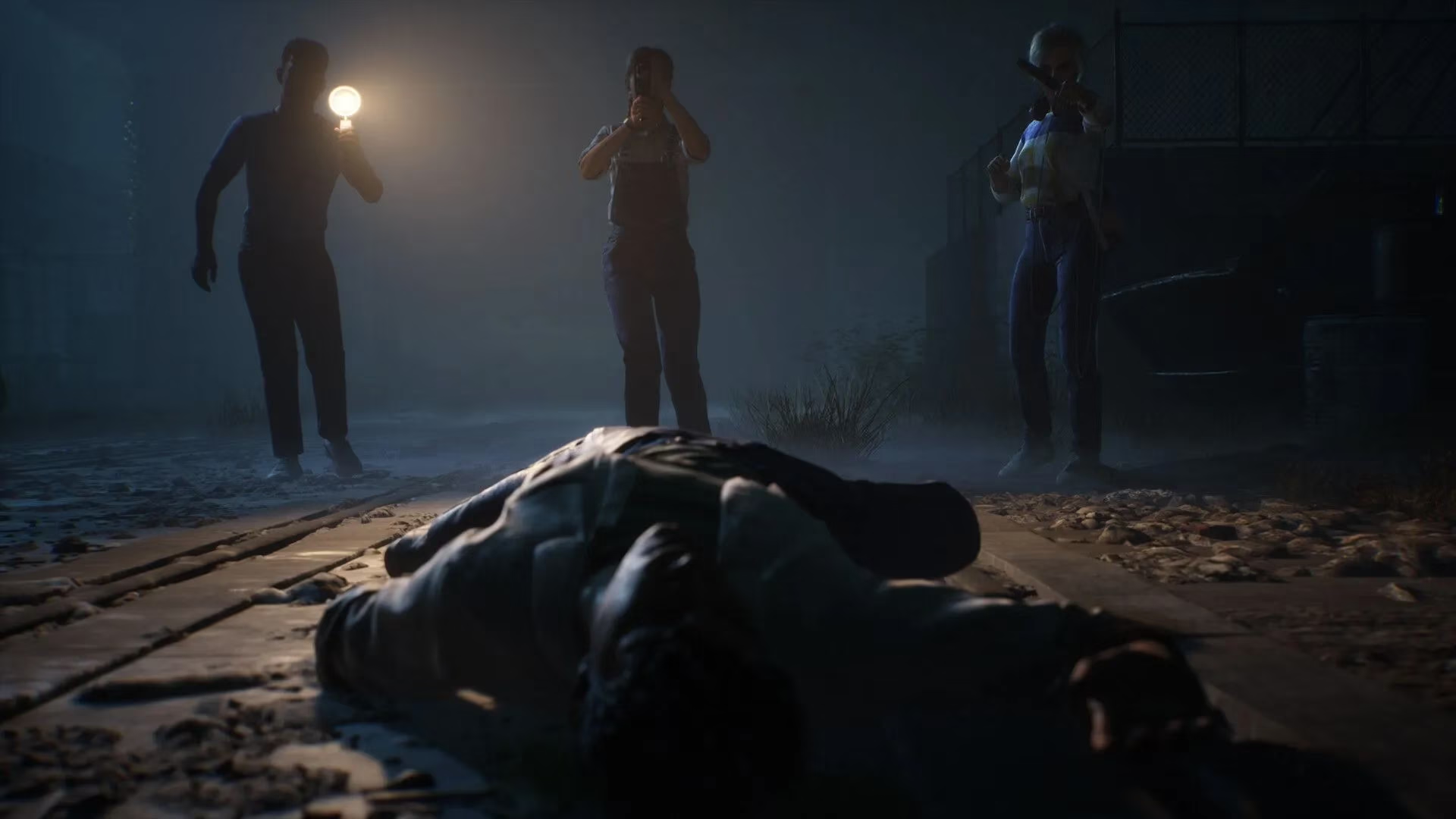
Gameplay followed Supermassive’s trusted blueprint: object examinations, dialogue choices, and quick-time events, with a few DbD-inspired skill checks during generator repairs. That mechanic—pressing a button within a shrinking window to avoid Frank’s grasp—was a spark of genius, a tiny heartbeat of panic in an otherwise leisurely adventure. It appeared all of twice, like a rare, beautiful bird that flits by before you can raise your binoculars. Much louder and far more common was the relationship meter, a vestigial organ that twitched feebly but almost never decided anything of consequence. Why it keeps getting grafted onto these bodies of work is beyond me.
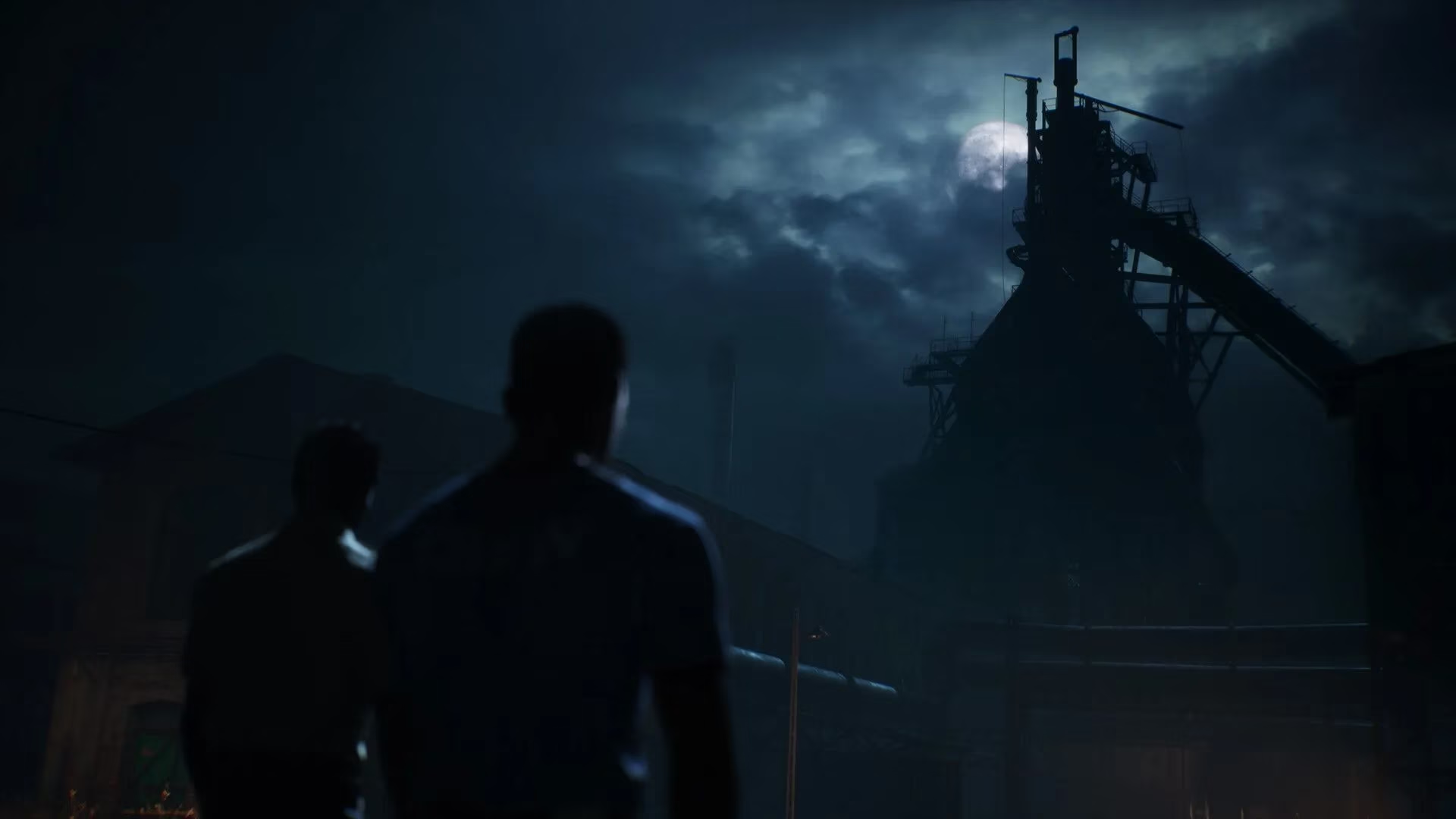
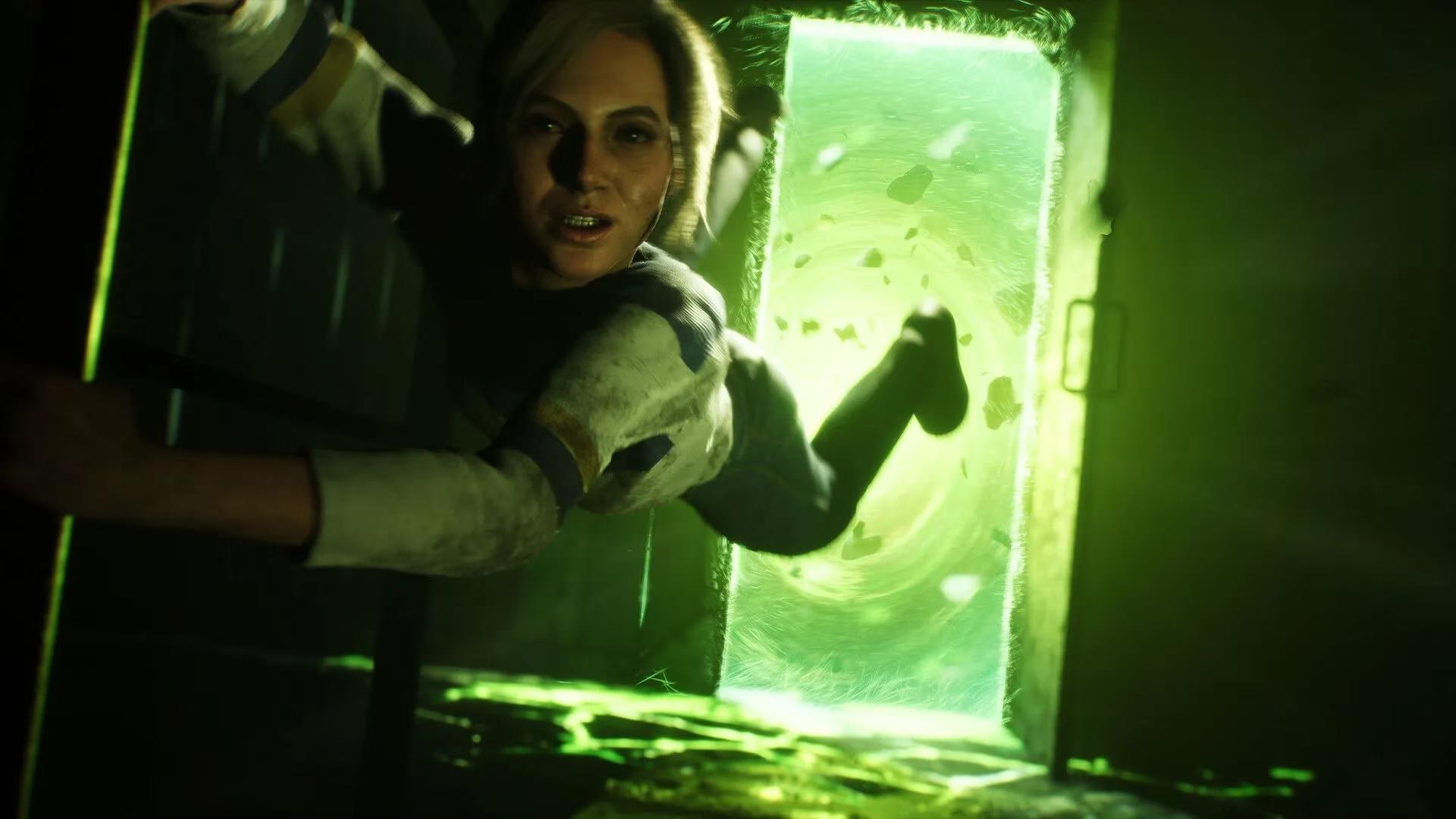
A genuinely innovative tool arrived with the supernatural camera, a device that hummed with otherworldly static and demanded I stand my ground like a Fatal Frame photographer on a very bad night. Pointing, holding down triggers, and feverishly winding a crank to trap Frank’s essence on film—it was simple, tense, and served up one nerve-shredding sequence in the final act that briefly turned the game into a proper survival horror maze. That moment was a flickering diamond, but what held it was a grim concrete setting that felt as inspired as a twice-used teabag. The abandoned steel mill and Augustine’s mansion are recycled so relentlessly that navigation becomes a loop of déjà vu, and even the climactic sewer-storm-drain labyrinth couldn’t rinse away the sense of visual fatigue.
My hunt for collectibles mirrored the characters’ own doomed curiosity. Rellik dolls of other killers grinned from hidden corners, trinkets forged by Frank himself glinted in dusty recesses, and I scooped them up like shells on a beach, certain a grand revelation would crown my efforts. A trinket box materialized in the hub with an air of grave importance, but when I reached ten out of twelve, the game offered nothing but silence. It felt like finding a locked diary with no key.
Don’t mistake my griping for total dismissal. The Casting of Frank Stone is, at its core, a functioning Supermassive adventure with a story that deserves a more vibrant stage. It’s the kind of game you recommend to a friend with a shrug and a list of caveats: “The plot’s great, some characters will make you grind your teeth, and you’ll see the same rusty walls more often than your own reflection.” As a crossover experiment, it opened a door that I hope Behaviour and other creators will walk through again, but this first reel got stuck in the projector too many times. It’s a cursed initial outing, but every curse can be lifted—preferably with a tighter script, braver set pieces, and a killer who doesn’t evaporate into smoke the moment you try to understand him.
In the end, I shelved the game with the bittersweet taste of a half-remembered nightmare. The camera mechanic still flickers in my mind as a high point, a dance with a monster that could have been. But the overall pattern of hits and misses, much like the amateur film at the heart of the tale, is a messy, earnest project that never quite finds its final cut.