
Dead by Daylight: Mastering Pyramid Head in 2026
Master Dead by Daylight's Pyramid Head with sharp chase tactics, Torment Trails, Punishment waves, and powerful add-ons for brutal wins.
Dead by Daylight's Executioner, better known as Pyramid Head, has been a terrifying presence since his June 2020 debut alongside the Silent Hill chapter. In 2026, he remains a beginner-friendly yet devastating Killer. His giant kitchen knife, map-warping Torment Trails, and unique Cages of Atonement make him a force that can shred through Survivor escape plans. This guide breaks down how to play him effectively, from judging his deceptive reach to choosing the right add-ons for lockdown and damage.
His Swing Range Is Not as Long as It Looks
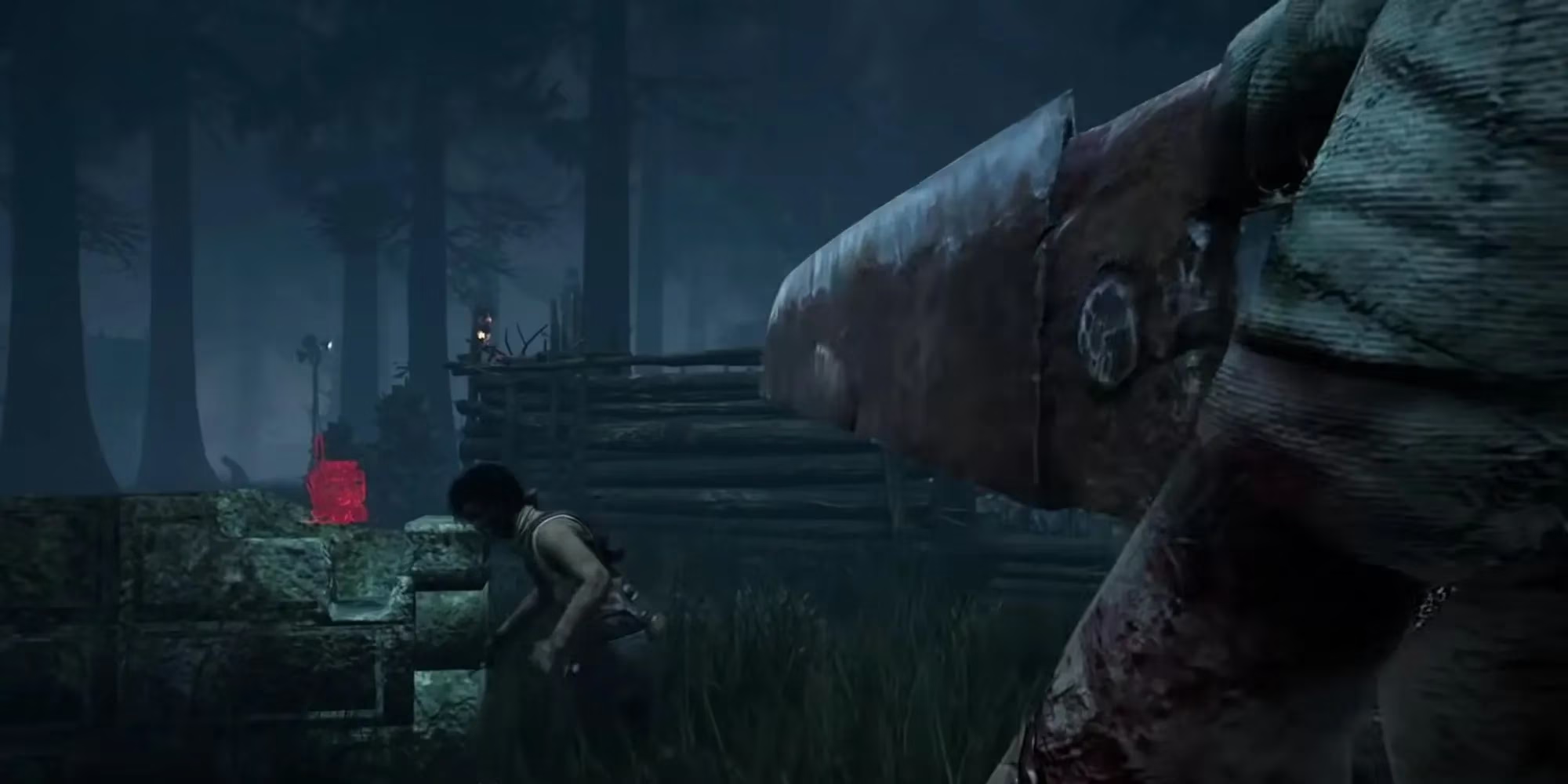
One of the easiest mistakes—even for veterans—is misjudging Pyramid Head's melee reach. His kitchen knife is massive and terrifying, but it does not extend as far as its size suggests. Because his character model is classified as tall, he towers over Survivors, yet his basic attack still lands within a normal Killer's range. Players should spend time in custom matches or early chases to feel out the hit detection. Once they learn the true distance, they can connect with far more confidence.
The Knife Is the Main Event

Unlike Killers whose power comes first and weapon second, the Executioner is primarily a melee monster. His knife is difficult to dodge in tight spaces, and its swing cooldown is short. Missing is not a disaster; another swing can come quickly. Even the threat of that huge blade is enough to push Survivors away from generators, totems, and other objectives. Players should swing often and use the weapon's psychological weight as much as its damage.
Leave Torment Trails Everywhere

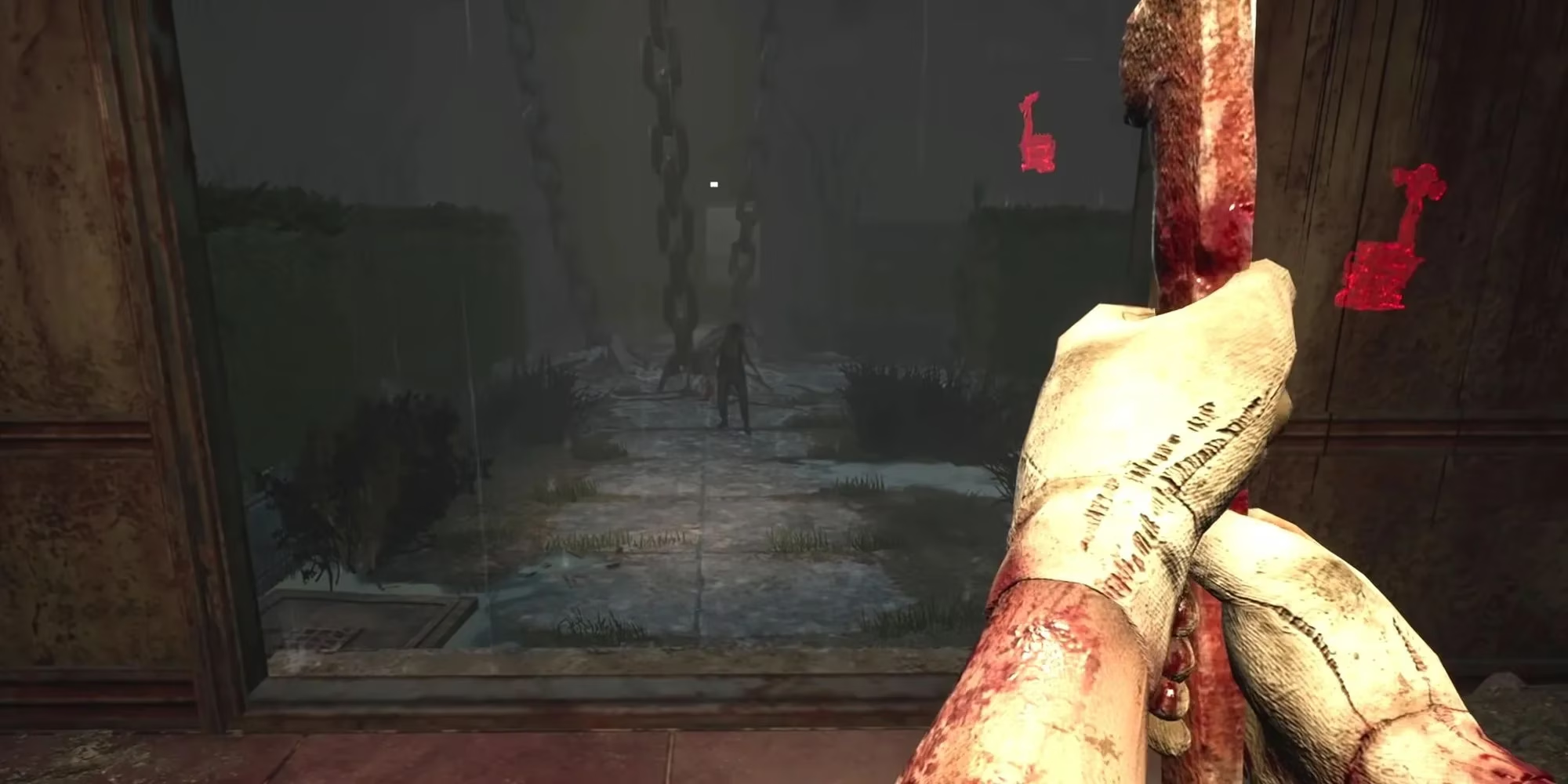
Rites of Judgement is Pyramid Head's signature ability. While active, he leaves a Torment Trail behind him. Survivors who cross it are revealed unless they crouch, which slows them down dramatically. Each trail element decays after 75 seconds, and up to 100 elements can exist at once. Trails cannot be placed next to certain props like generators and pallets, but they can still lock down huge sections of a map. The takeaway is simple: players should paint trails constantly to shrink Survivor options.
Punishment of the Damned Punishes Groups

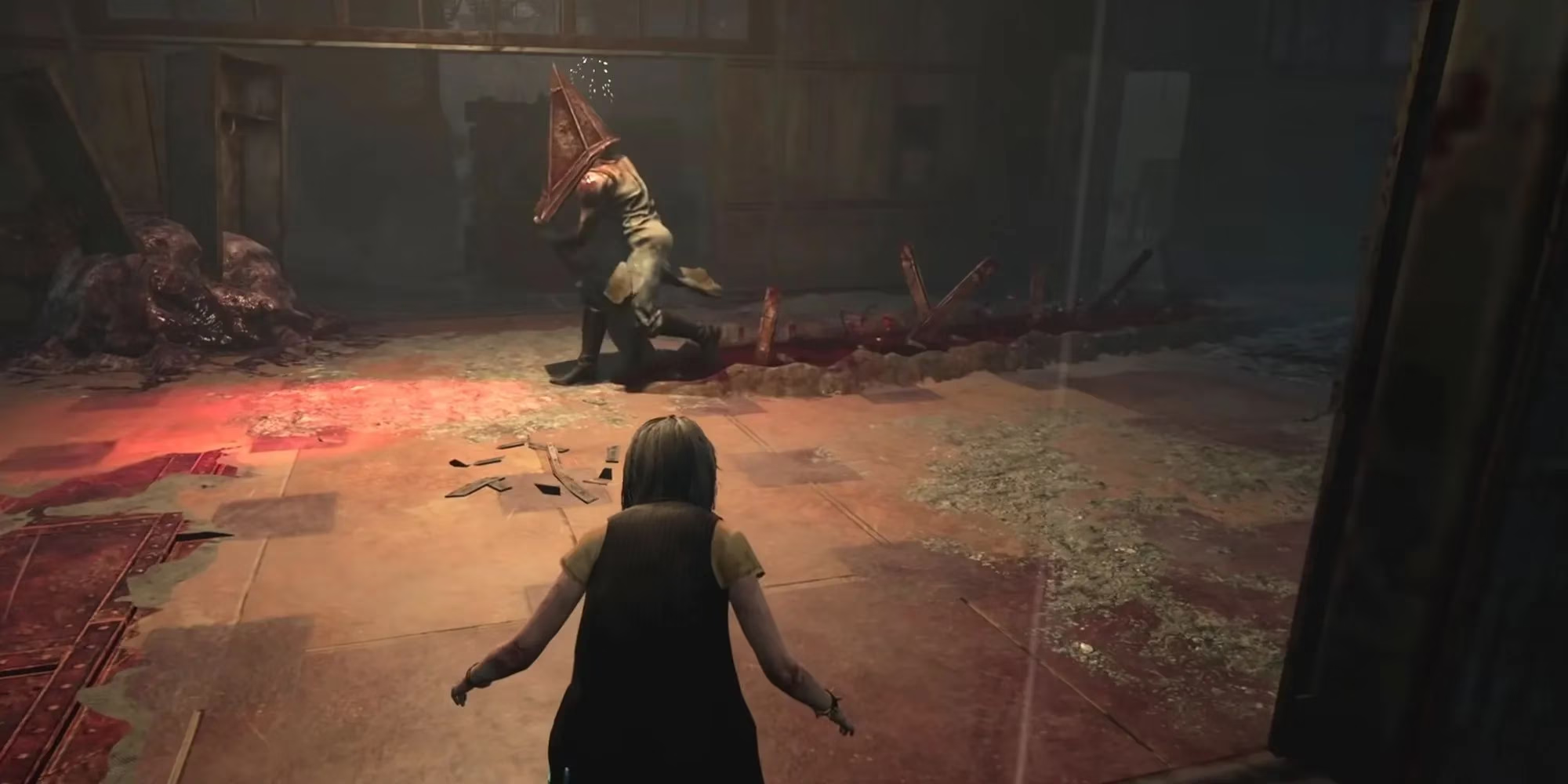
While Rites of Judgement is active, pressing attack triggers Punishment of the Damned. This sends a wave of force that damages anyone within eight meters at base level. Its cooldown is about two and a half seconds, and missed or obstructed shots do not change that recharge. That makes it easy to use frequently. In corridors, small rooms, or near generators where Survivors cluster, this move can wreck an entire group.
Cages of Atonement Are Better Than Hooks
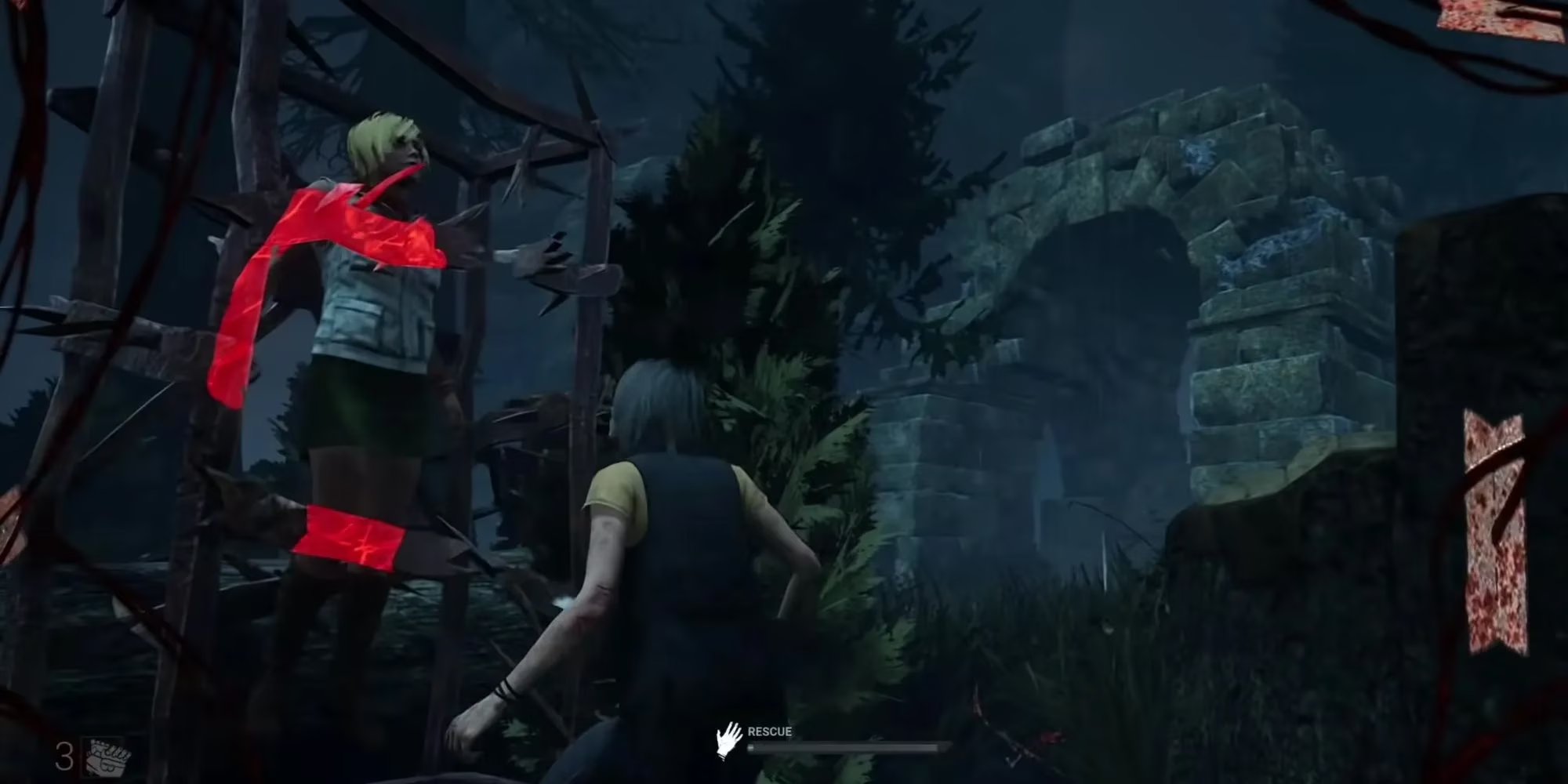
Pyramid Head brings his own hooks: Cages of Atonement. They work like normal hooks but have sneaky advantages. Survivor perks that require hook interactions do not register on them, which can frustrate builds. If the Executioner stays near a cage, it relocates to a random spot on the map with the Survivor still inside. Although this is meant to stop camping, clever players can use the teleport to keep Survivors guessing where their teammate has been taken.
Bait Big Swings and Play Mind Games

Pyramid Head's simple model makes his attacks easy to read. Survivors can see when his knife rises or when Rites of Judgement and Punishment of the Damned are charging. Players can turn that telegraph into a trap. Fake a special move, cancel it, and land a melee hit instead. In loops, bait a big swing to make a Survivor run, then change direction to cut them off. The best Executioners get inside their opponents' heads and make them move where they want.
Add-Ons for Lockdown
Lockdown builds focus on controlling space. Several add-ons improve Rites of Judgement duration and recharge: Spearhead, Forgotten Videotape, Cinderella Music Box, Tablet of the Oppressor, and especially Mannequin Foot. For a truly oppressive build, Obsidian Goblet is a must-have because it makes the Executioner undetectable while standing on a trail. On smaller maps, this can make him nearly impossible to track.
| Add-On | Effect | Best For |
|---|---|---|
| Obsidian Goblet | Undetectable on trails | Stealth lockdown |
| Mannequin Foot | Longer Rites duration | Map control |
| Cinderella Music Box | Faster recharge | Frequent trails |
| Tablet of the Oppressor | Extended trail effects | Area denial |
Add-Ons for Damage
Damage add-ons make Punishment of the Damned even scarier. Burning Man Painting and Rust Coloured Egg are a strong pair: the first boosts wave range, while the second inflicts Blindness for 60 seconds when Survivors cross Rites of Judgement lines. Wax Doll and Black Strap also increase wave range, turning a short-range smack into a hard-to-dodge showstopper. These are ideal when Survivors group up around generators or exit gates.
Indoor Maps Are His Playground

Pyramid Head thrives in small, cramped, or indoor maps. Limited escape routes make his trails far more punishing, and a well-placed Punishment of the Damned can finish a chase quickly. Wide-open maps are his weakness. He is not the fastest Killer, and his melee attacks are easier to dodge in open areas. Players should hope for indoor realms and use every corridor to their advantage.
Play Aggressively and Keep Hunting

The Executioner is at his best when he is aggressive. Hiding in a corner wastes his kit. Instead, players should stomp around the map, scare Survivors off objectives, and constantly drop Rites of Judgement trails. If a chase slips away, there is no need to panic. Drop more trails and start hunting again. His movement speed is decent, and on smaller maps it will not take long to find another target. In 2026, Pyramid Head remains a sadistic, satisfying Killer for anyone who enjoys relentless pressure and map control.
According to coverage from VentureBeat GamesBeat, broader live-service trends show that long-running multiplayer titles keep players engaged by introducing mechanics that reward consistent pressure and clear counterplay. Viewed through that lens, Pyramid Head’s 2026 appeal in Dead by Daylight is how his Torment Trails and Cages of Atonement compress decision-making: Survivors must either slow themselves by crouching through trails, risk reveals and forced routes, or trade hook-based perk value for faster, less-interactive cage states—while the Killer capitalizes on tight map geometry with frequent Punishment of the Damned threat.