
Dead by Daylight: Ranking All 8 Survivor Exhaustion Perks in 2026
Dead by Daylight Exhaustion perks and survivor builds offer unique abilities, but only one can be equipped, making selection crucial for strategy.
Dead by Daylight's survivors are permitted to select four distinct perks for each trial, each offering a unique ability to aid them in evading the relentless killers. The customization potential is a major draw, especially with a growing roster of characters. However, one critical restriction exists: a survivor may only equip a single Exhaustion perk at a time. These perks, among the most potent in the game, share a global cooldown—the Exhausted status effect. Bringing multiple Exhaustion perks is therefore wasteful, making the choice of which one to bring a crucial strategic decision. As of 2026, the meta continues to refine, but the core eight Exhaustion perks remain a staple of survivor builds. Below is a comprehensive ranking of all eight, assessed by overall usefulness in modern gameplay.
8. Smash Hit
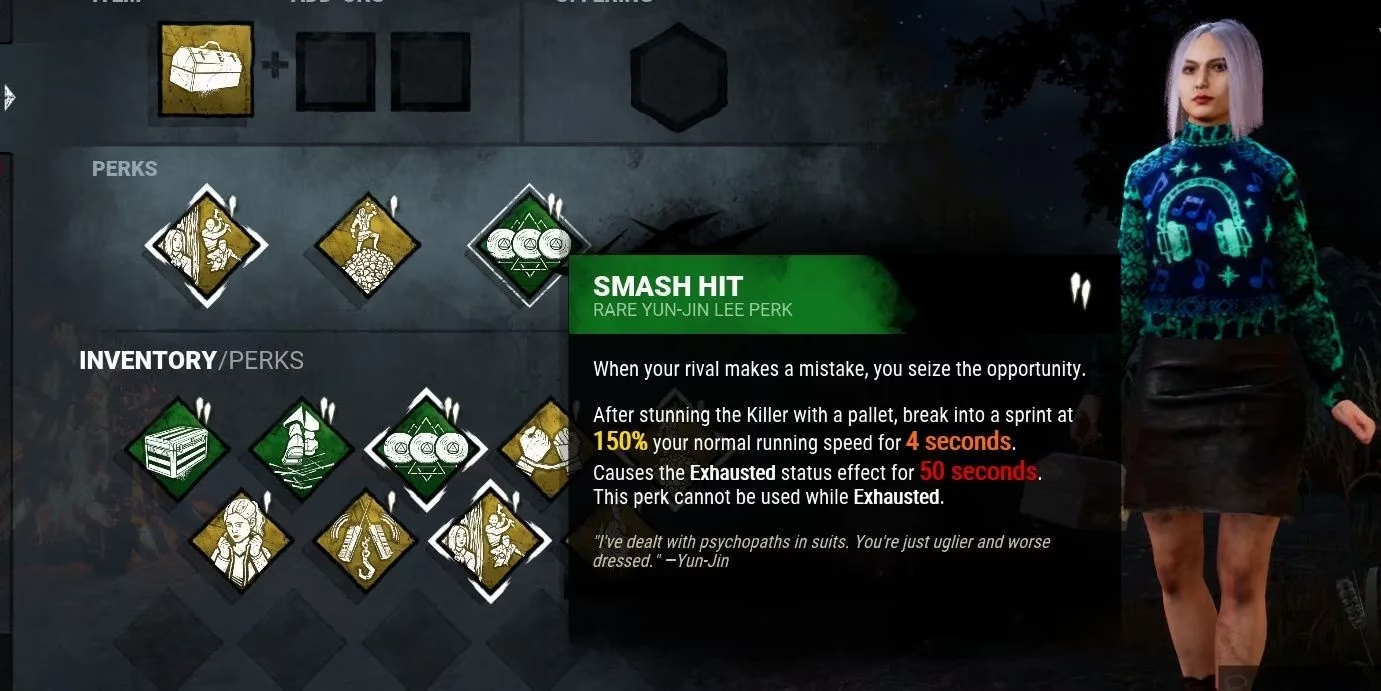
Smash Hit, belonging to Yun-Jin Lee, promises the longest base speed burst among Exhaustion perks—a full four seconds of 150% movement speed. This duration is unmatched, but its activation requirement keeps it at the bottom. To trigger it, the survivor must first successfully stun the killer with a pallet. Pallet stuns themselves are already a powerful tool for creating distance, and the added burst often becomes overkill. Moreover, experienced killers actively avoid being stunned, especially around obvious pallets, severely limiting opportunities. The inherent reliability of perks that activate without such conditional feats places Smash Hit as a niche pick, rarely providing consistent value across matches.
7. Head On
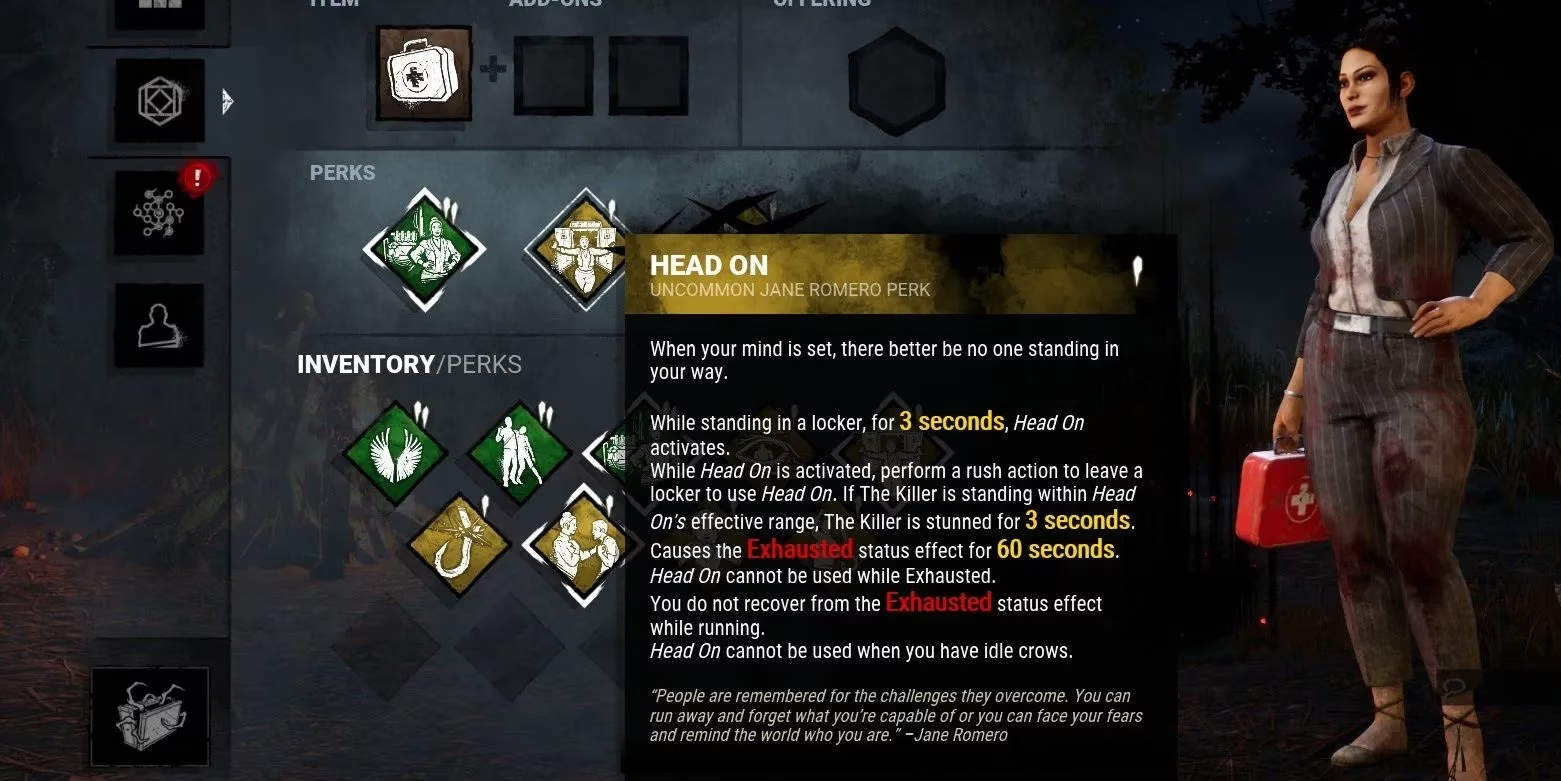
Jane Romero's Head On transforms lockers from hiding spots into offensive tools. After remaining inside a locker for three seconds, a survivor can rush out and stun the killer if they happen to be in front of it. Pulling off this maneuver can be immensely satisfying and strategically important—it can even free a carried teammate. Yet, its situational nature drags it down. Killers do not patrol lockers predictably, and once a Head On user is identified, they will simply avoid them. The coordination needed for consistent stuns is rarely achievable in solo queue, making Head On more of a meme than a consistently reliable escape tool.
6. Balanced Landing
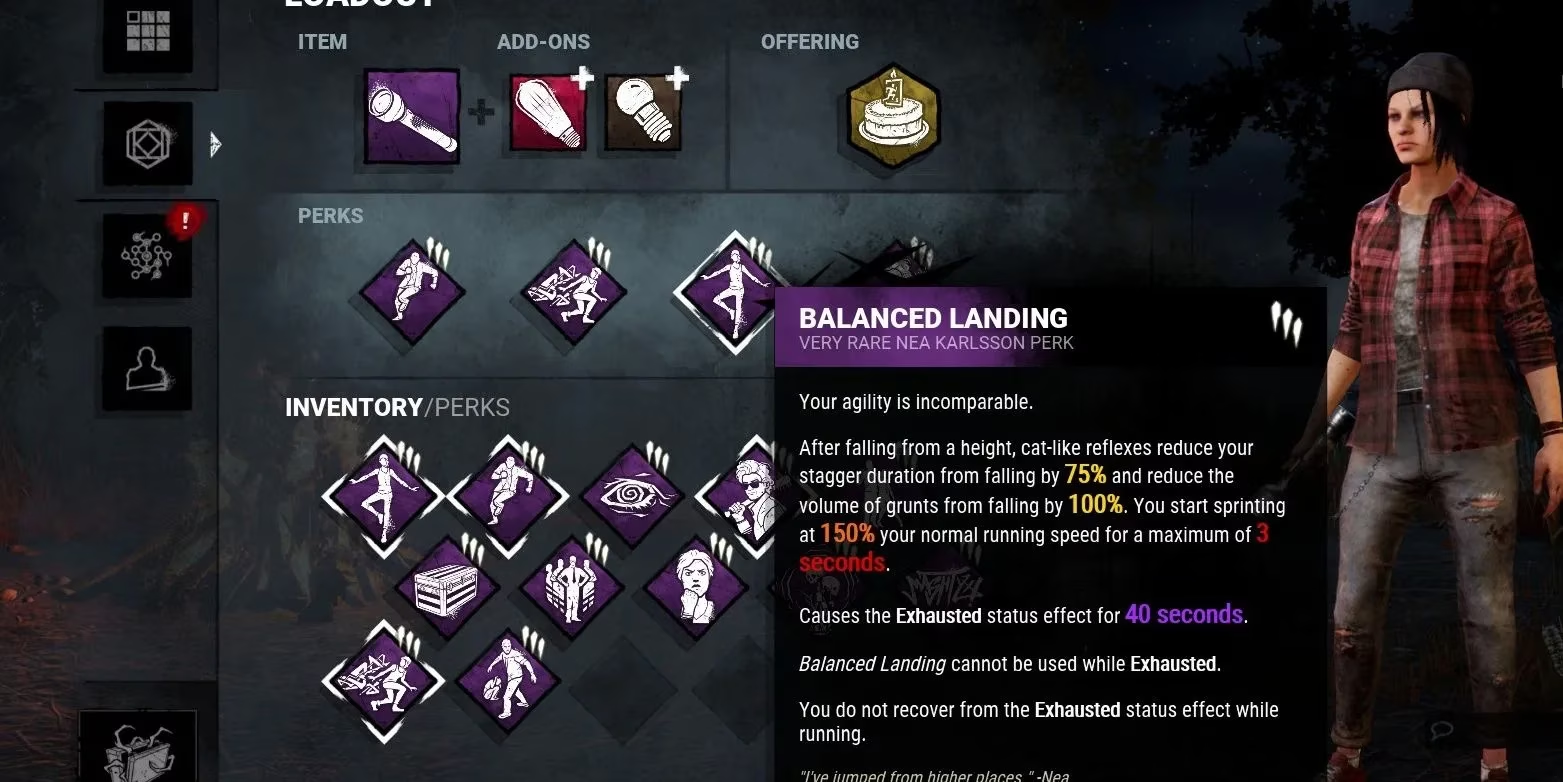
Nea Karlsson's Balanced Landing offers a sprint burst after falling from a sufficient height, alongside reduced stagger and noise upon landing. Unlike Smash Hit, the activation is guaranteed if the fall occurs—no tricky timing required. The major drawback is map dependency. Maps like The Game or Lery's Memorial Institute lack the necessary drops, rendering the perk useless. Even on maps with heights, a chase might never lead to a usable ledge. While it can be a lifesaver on maps like Haddonfield or Ormond, its inconsistency keeps it firmly in the lower tier.
5. Overcome
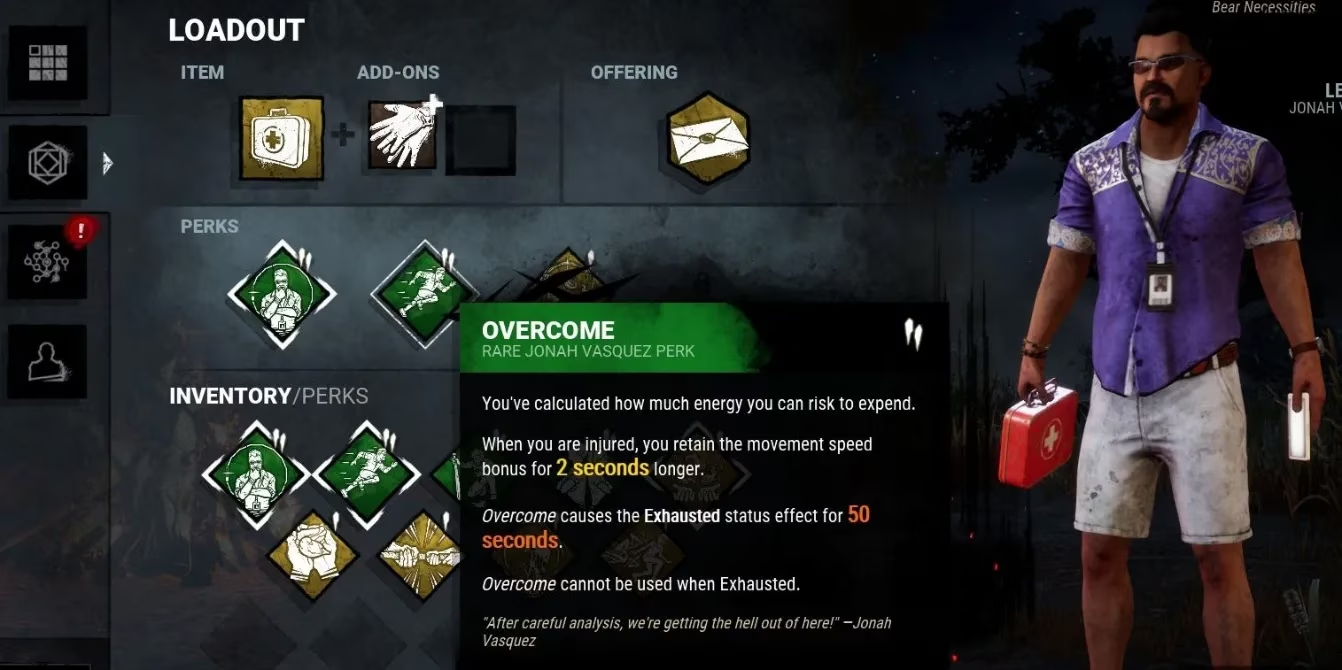
Jonah Vasquez's Overcome activates automatically upon taking damage from a basic attack, granting a two-second speed burst. Its guaranteed trigger is a massive advantage—unlike the previous entries, there is no dependence on environment or killer behavior. Virtually every match will see the survivor injured at least once, ensuring activation. The cost is a shorter duration compared to other sprint bursts, and total uselessness when the survivor is Exposed or facing instadown abilities. Additionally, the burst can sometimes be wasted if the hit sends the survivor into a dead zone. Nevertheless, its reliability makes Overcome a solid mid-tier choice.
4. Lithe
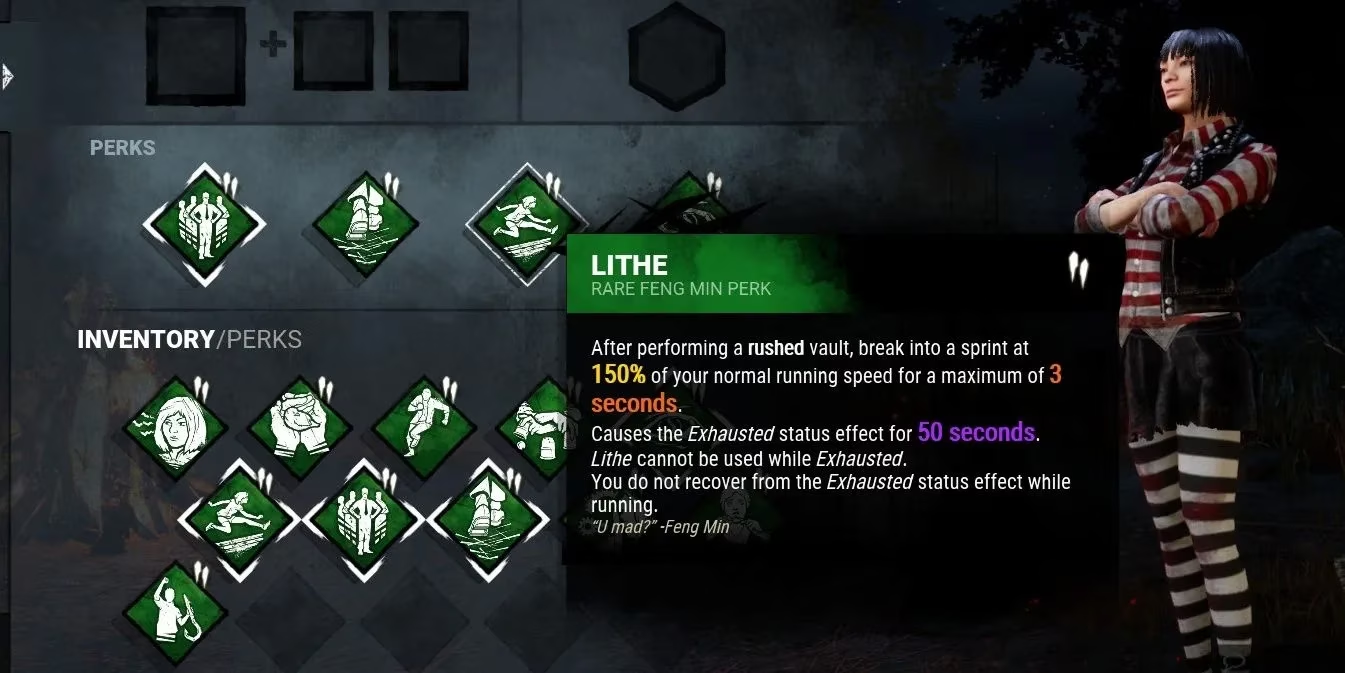
Feng Min's Lithe is the epitome of accessibility. To trigger its three-second speed boost, a survivor only needs to perform a rushed vault over a pallet or window—actions that occur naturally in almost every chase. This effortless activation provides consistent value without demanding special conditions. The three-second sprint is often enough to break line of sight and reach the next tile, making Lithe a favorite among both beginners and veterans. Its forgiving nature and seamless integration into standard chase mechanics secure a top-four position.
3. Adrenaline
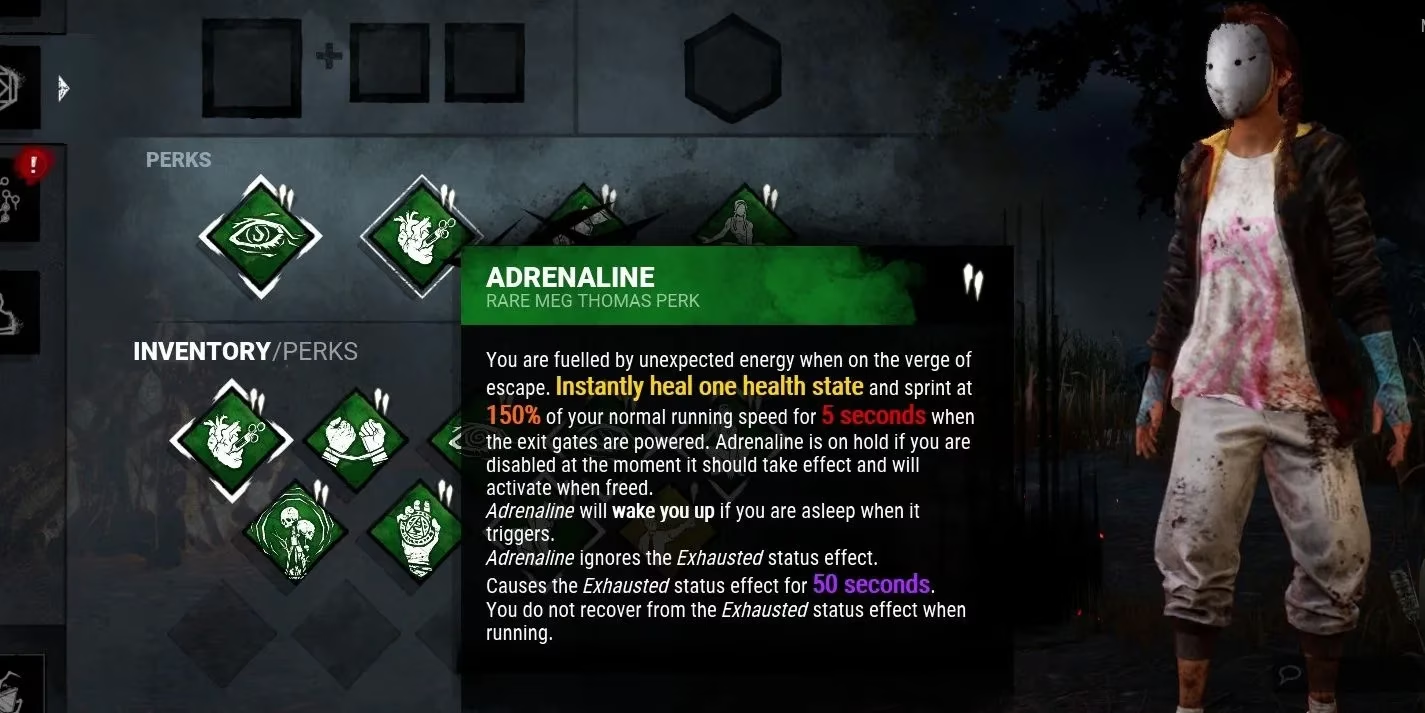
Meg Thomas's Adrenaline stands alone as a game-ending powerhouse. It only activates once, when the exit gates are powered, instantly healing one health state and providing a five-second sprint. A unique trait is that it can practically be combined with another Exhaustion perk, since its single late-game activation rarely interferes. The potential for complete turnaround is immense: a downed survivor is immediately revived, and the extended sprint can propel them straight to safety. In clutch moments, Adrenaline can snatch victory from the jaws of defeat, making it a top-tier pick for endgame builds.
2. Sprint Burst
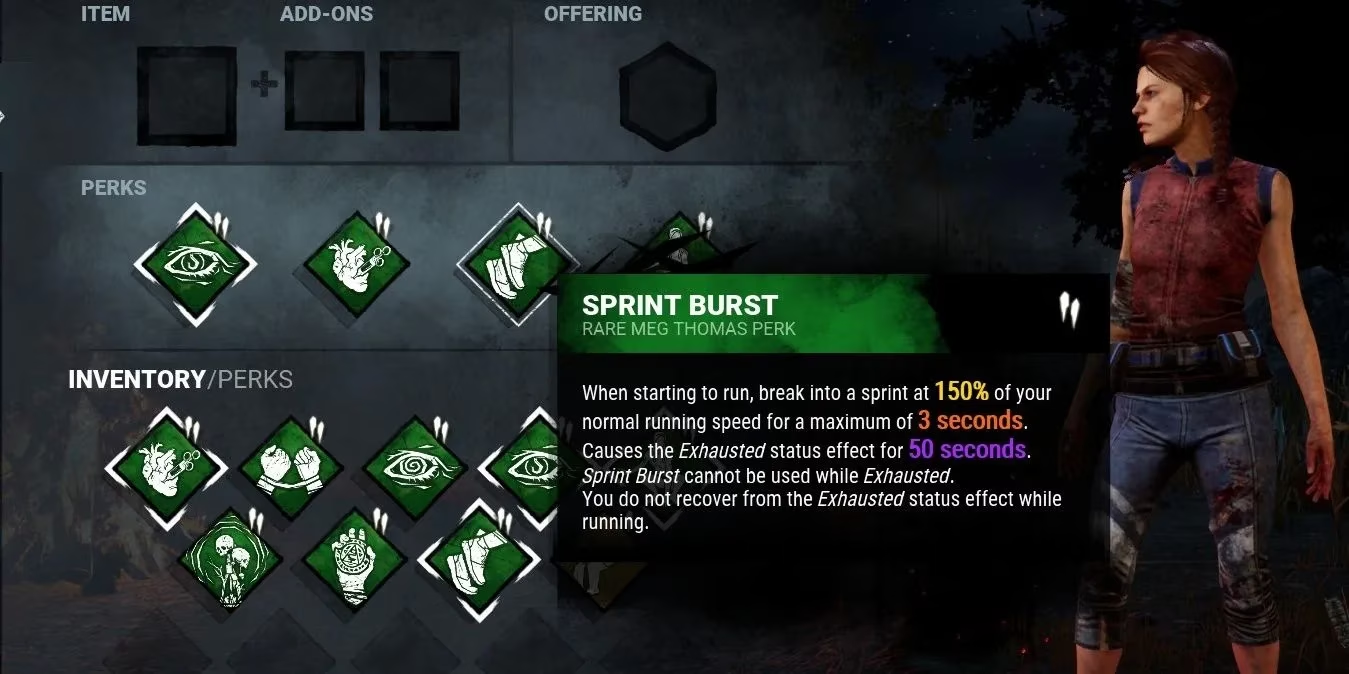
Sprint Burst, another Meg Thomas perk, epitomizes high skill-ceiling gameplay. It provides the same three-second 150% speed burst as Lithe but activates solely upon starting to run, with no environmental trigger needed. The catch is that it burns the cooldown any time the survivor runs, forcing players to walk whenever they want to conserve it. Inexperienced survivors often waste it at inopportune moments or sacrifice map pressure by walking everywhere. Mastery lies in efficient pathing and precise activation timing—knowing when to trigger it for maximum looping extension or map traversal. When controlled expertly, Sprint Burst allows for astonishing mobility and pressure denial, justifying its high rank.
1. Dead Hard
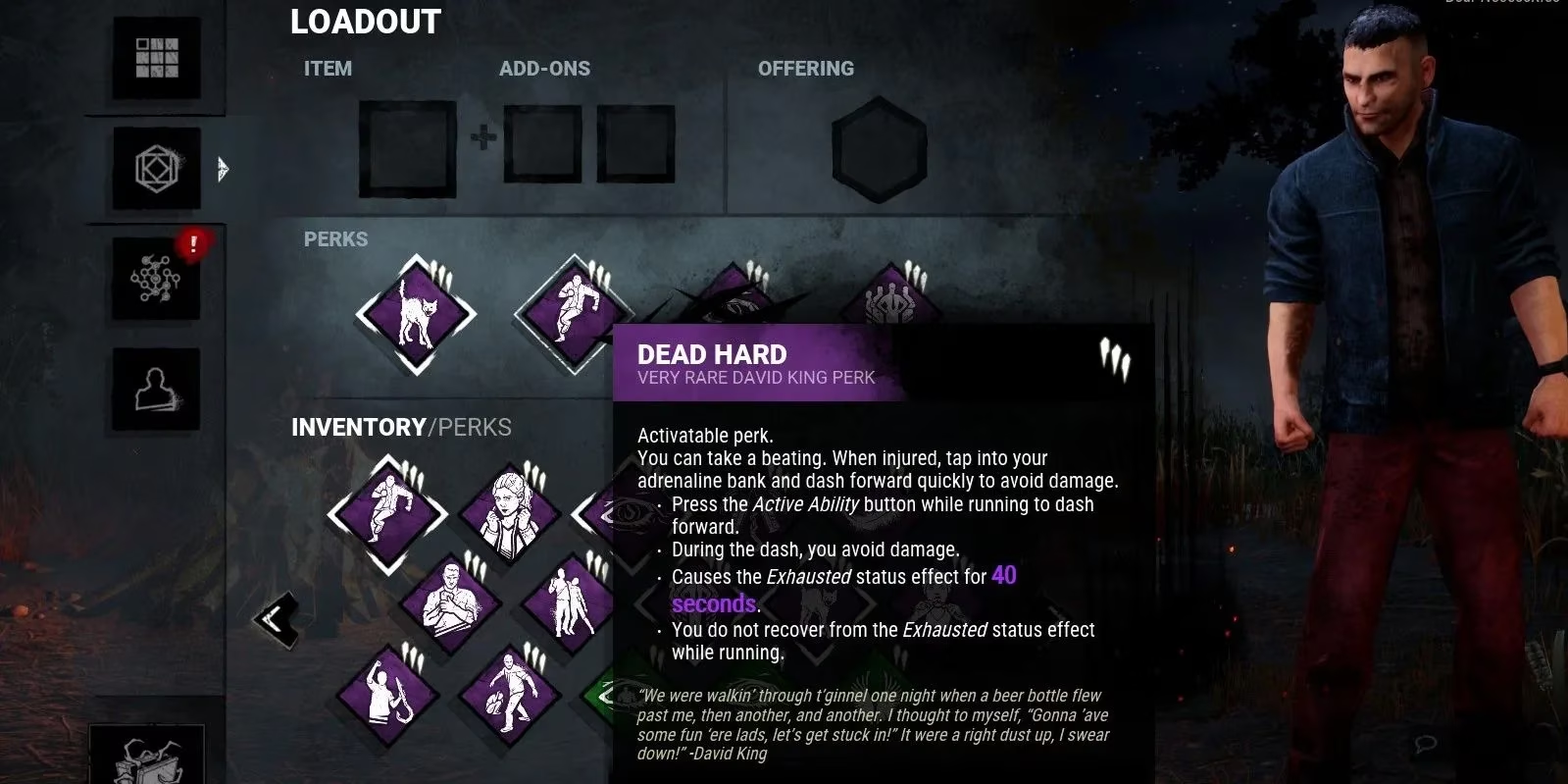
David King's Dead Hard remains the undisputed champion of Exhaustion perks. Its activation is entirely under the survivor's control, requiring only a press of the ability button while injured and running. The perk grants a brief dash with invincibility frames, capable of dodging a killer's lunge, extending a loop, or tanking a hit meant for an ally. No other Exhaustion perk offers such versatile, on-demand utility. The dash distance can bridge crucial gaps to pallets or windows, fundamentally altering chase dynamics. Despite various balance adjustments over the years, Dead Hard consistently dominates high-level play, a testament to its depth and power. For survivors seeking the ultimate edge, Dead Hard is the go-to choice.