
Mastering Dead by Daylight's Twins: Charlotte, Victor, and the Blood Bond
In Dead by Daylight, The Twins use Blood Bond to split into Charlotte and Victor, turning family tragedy into an oppressive two-body hunt.
The Fog swallows another trial, and somewhere between the rusted generators and the creaking exit gates, a survivor hears two sets of footsteps. One belongs to Charlotte Deshayes, the bitter protector. The other belongs to Victor, the brother who never truly left her. In Dead by Daylight, facing The Twins is not a normal hunt; it is a family tragedy armed with teeth. How can a lone survivor escape when the killer can split into two bodies? The answer, more often than not, is that they cannot.
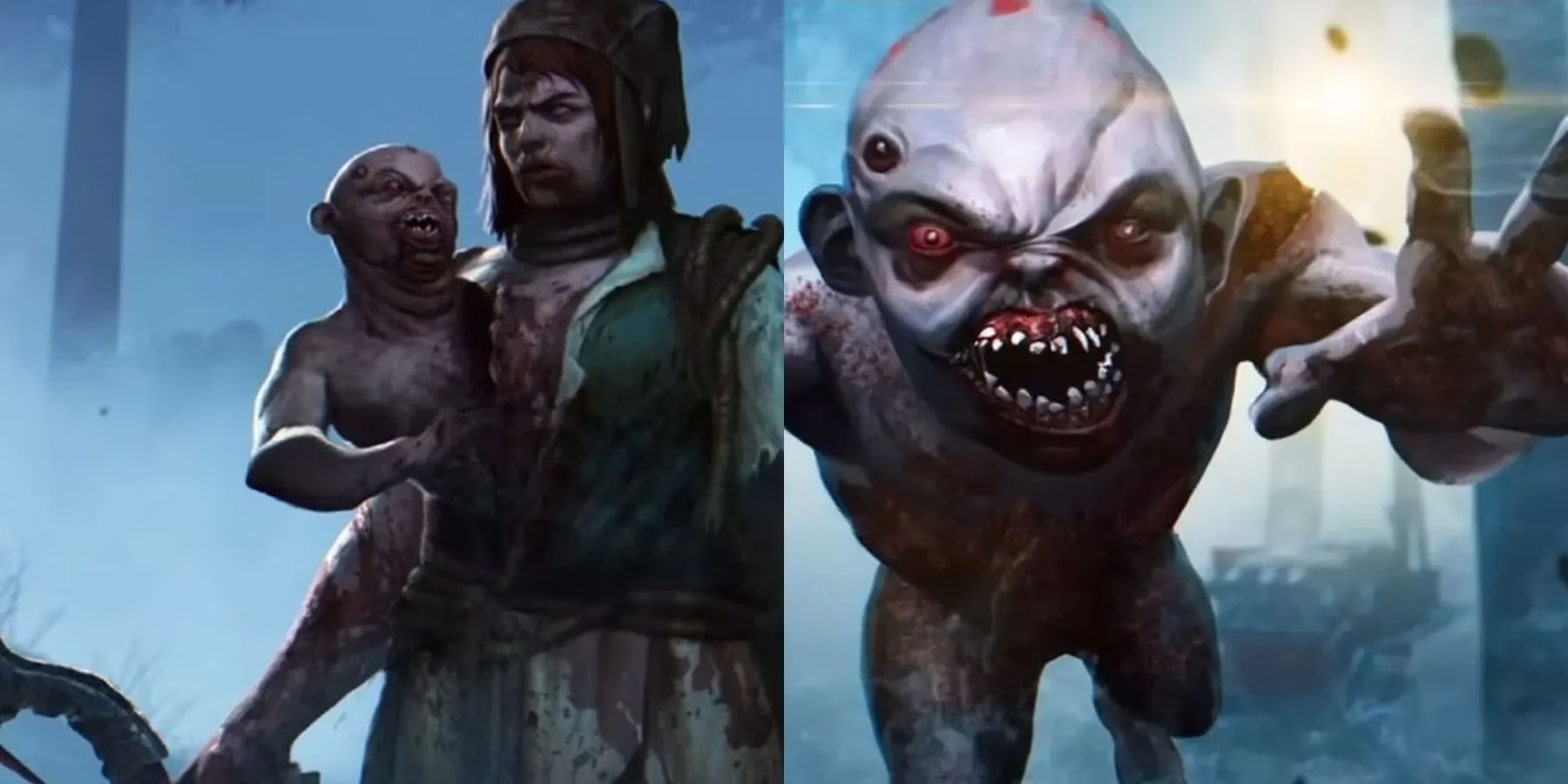
Unlike The Legion, the Twins do not merely run in a group. With the Blood Bond power, a player can switch between Charlotte and Victor in the middle of a chase. Victor scampers ahead like a feral projectile while Charlotte waits in ambush. At first, this dual control feels overwhelming. Yet with the right mindset, the pair becomes one of the most oppressive killers in the Fog.
The Tragedy Behind the Blood Bond
The Twins were born conjoined in the 17th century, and their arrival was seen as a miracle by some and a curse by others. Victor was attached to Charlotte's chest, and the family faced constant persecution. When Charlotte was five, an attack on their hideout killed their mother. From that moment, Victor became fiercely protective, and Charlotte grew hateful toward everyone except him. After Victor died years later, Charlotte refused to let go, carrying his decaying body until the Fog claimed them both. There, Victor sprang back to life, no longer bound to her flesh but still bound to her spirit. Charlotte now attacks anyone who dares approach her brother.
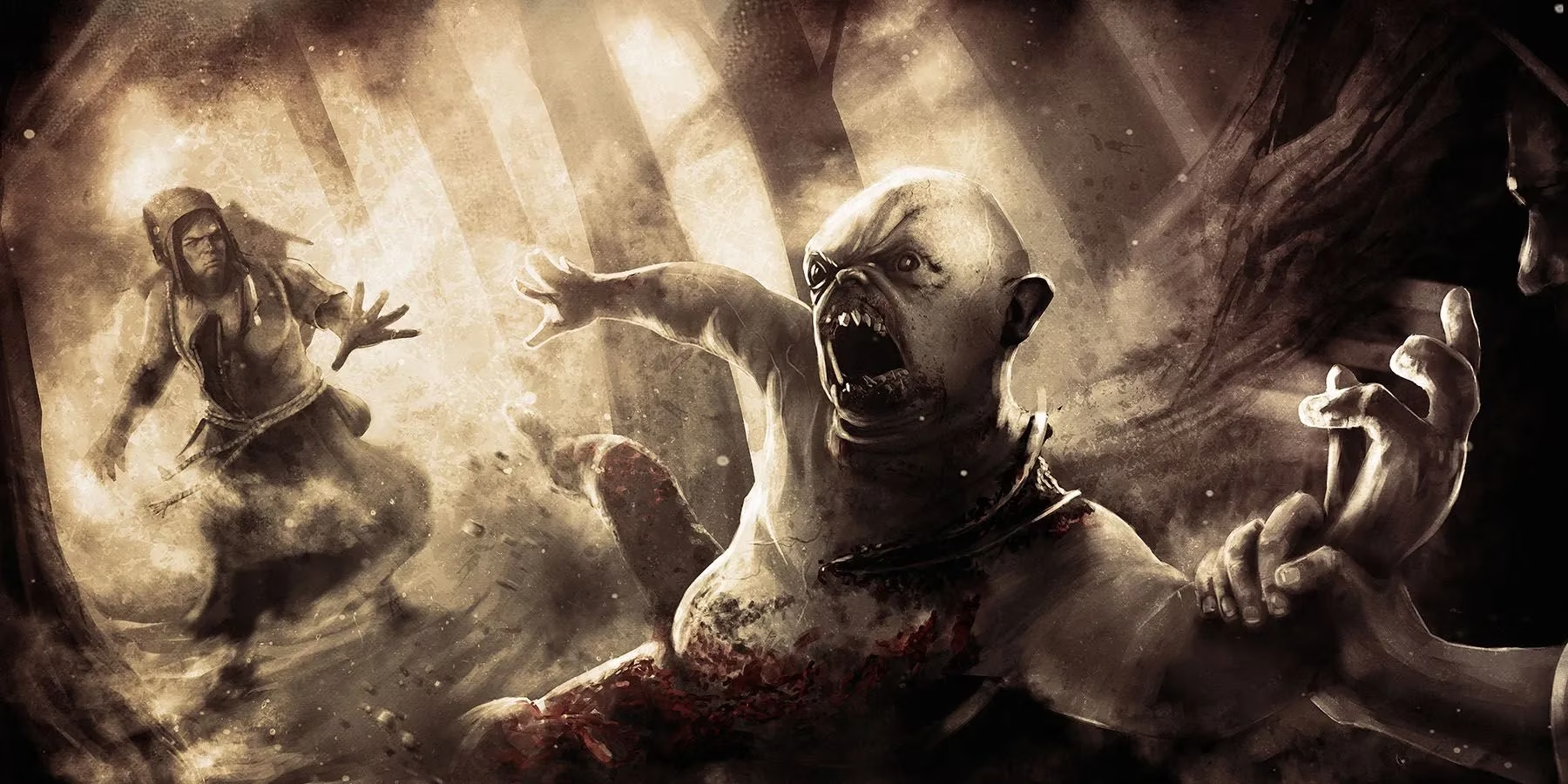
This backstory explains why the Twins play like a pack instead of a single entity. A player who enjoys multitasking will thrive.
Perks Built for a Vigilant Hunter
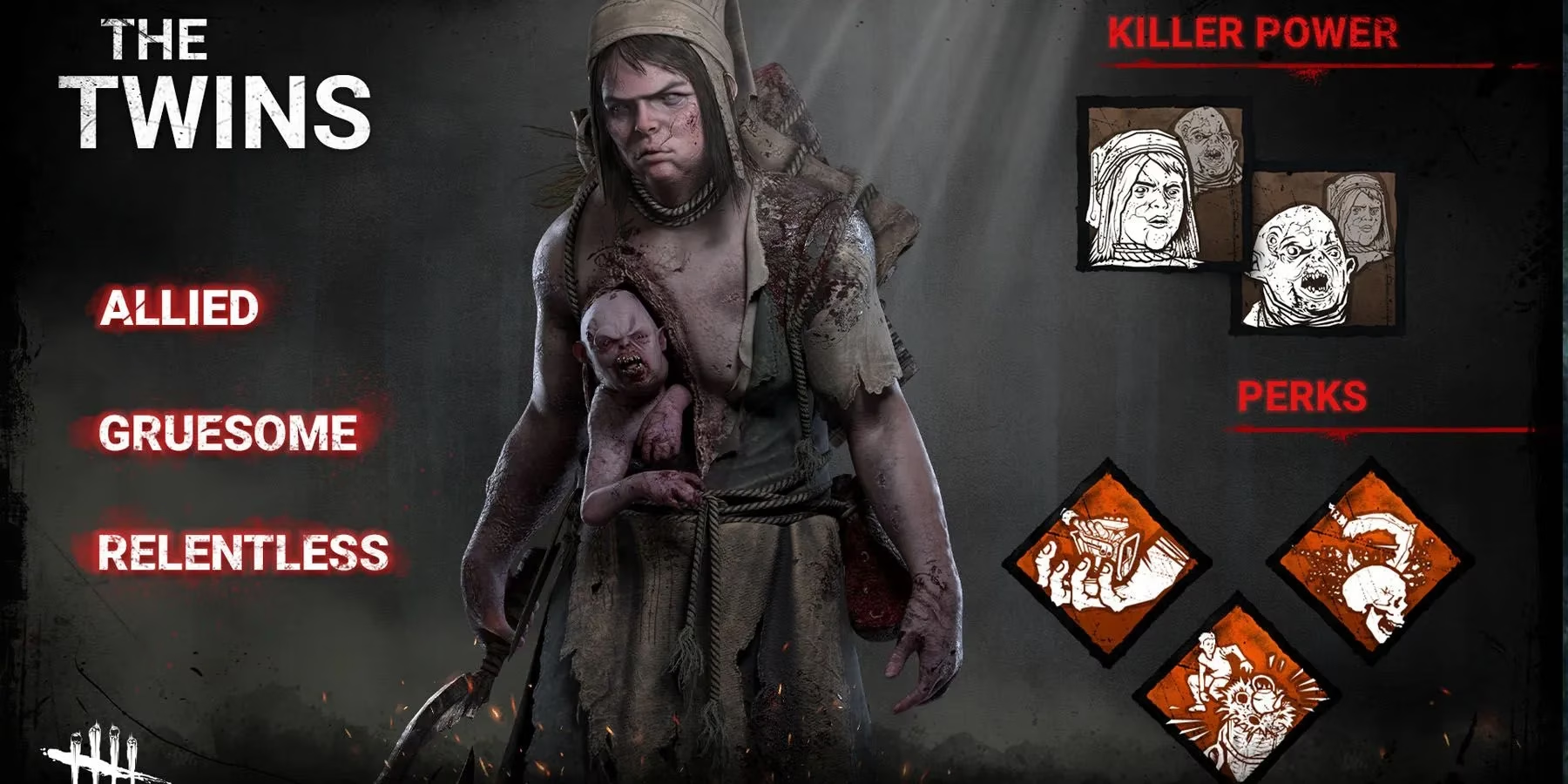
Their personal perks reflect hyper-vigilance and cruelty.
| Perk | Effect | Strategic Value |
|---|---|---|
| 🎁 Hoarder | Triggers a loud noise when survivors pick up items or unlock chests within 32 to 64 meters. Also spawns two extra chests. | Lures survivors into traps and reveals their location. |
| 🔧 Oppression | Damaging a generator causes up to three other generators to regress. Can also force a difficult skill check. | Slows generator progress across the map. |
| ⚔️ Coup de Grace | Grants a token when a generator is completed. Consuming a token increases lunge attack distance by 40 to 60 percent. | Turns completed generators into a dangerous weapon. |
Would any survivor dare open a chest if it meant announcing themselves to a monster? Hoarder makes that question a constant threat.
The Blood Bond Power
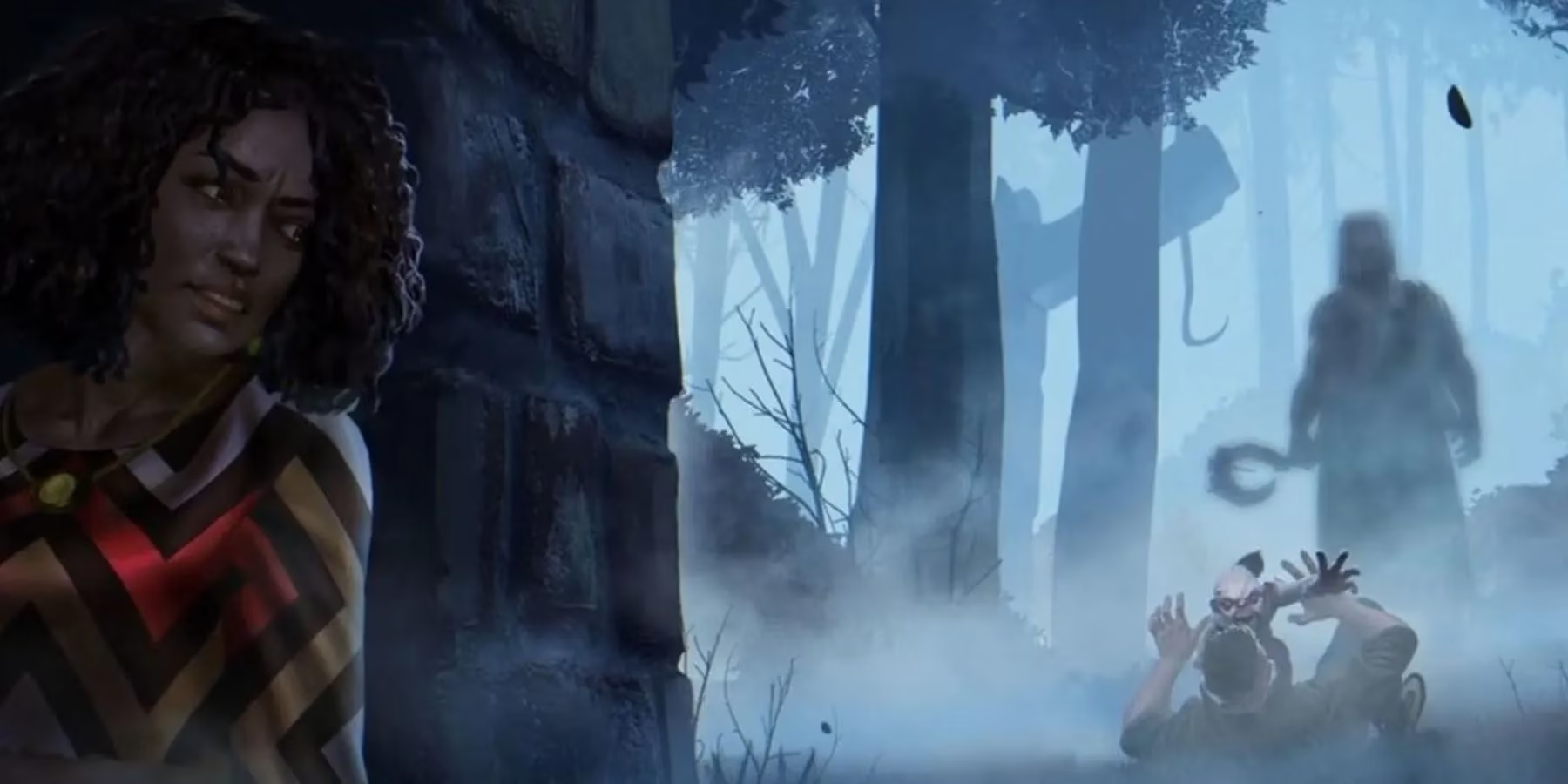
When playing as Charlotte, pressing the power button releases Victor. The player then controls the smaller twin while Charlotte enters a dormant state. In this state, Charlotte retains collision, can block survivors, and hides her red stain and terror radius. Victor, meanwhile, moves faster than most survivors. He cannot see scratch marks, but he sees pools of blood in brighter red and can search lockers. If Victor finds a survivor hiding in a locker, he traps them inside for ten seconds while control returns to Charlotte.
What about when Charlotte is active and Victor is idle? That is where Killer Instinct comes into play. Any walking or running survivor within Victor's shriek range is highlighted for Charlotte. The pair are never truly separated; they are two halves of the same hunt.
Pounce and the Latched-On State
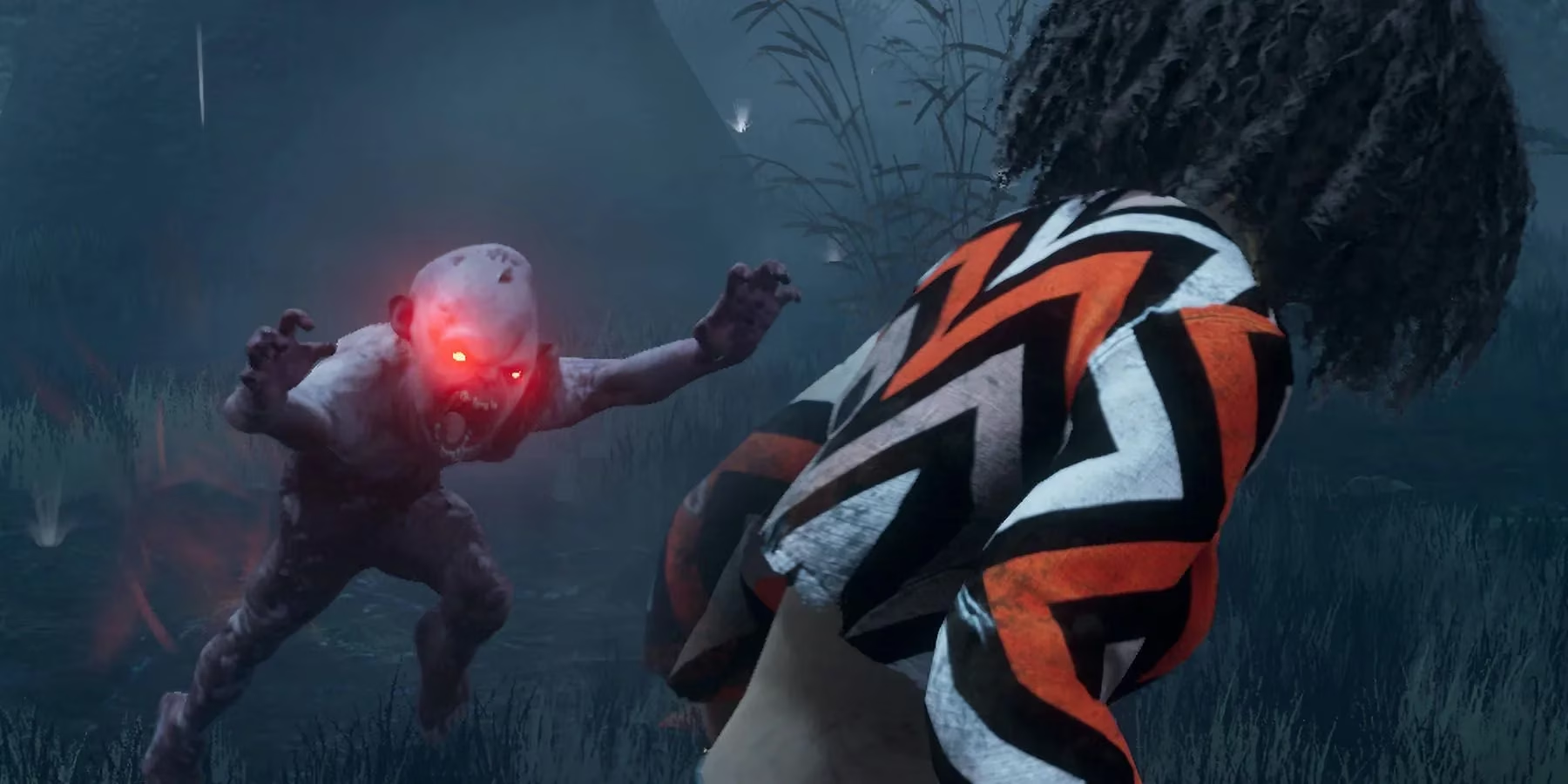
Victor's special attack is called Pounce. By holding the ability button, a player charges the leap and then releases with the attack button. A successful Pounce damages a healthy survivor and sends an injured survivor into the dying state. More importantly, Victor latches onto the victim.
Once latched, the survivor suffers from Broken, Incapacitated, and Oblivious status effects. They cannot enter lockers or exit gates, and their teammates become walking beacons because Victor triggers Killer Instinct when near other survivors. Control returns to Charlotte, who can close in for the finishing blow.
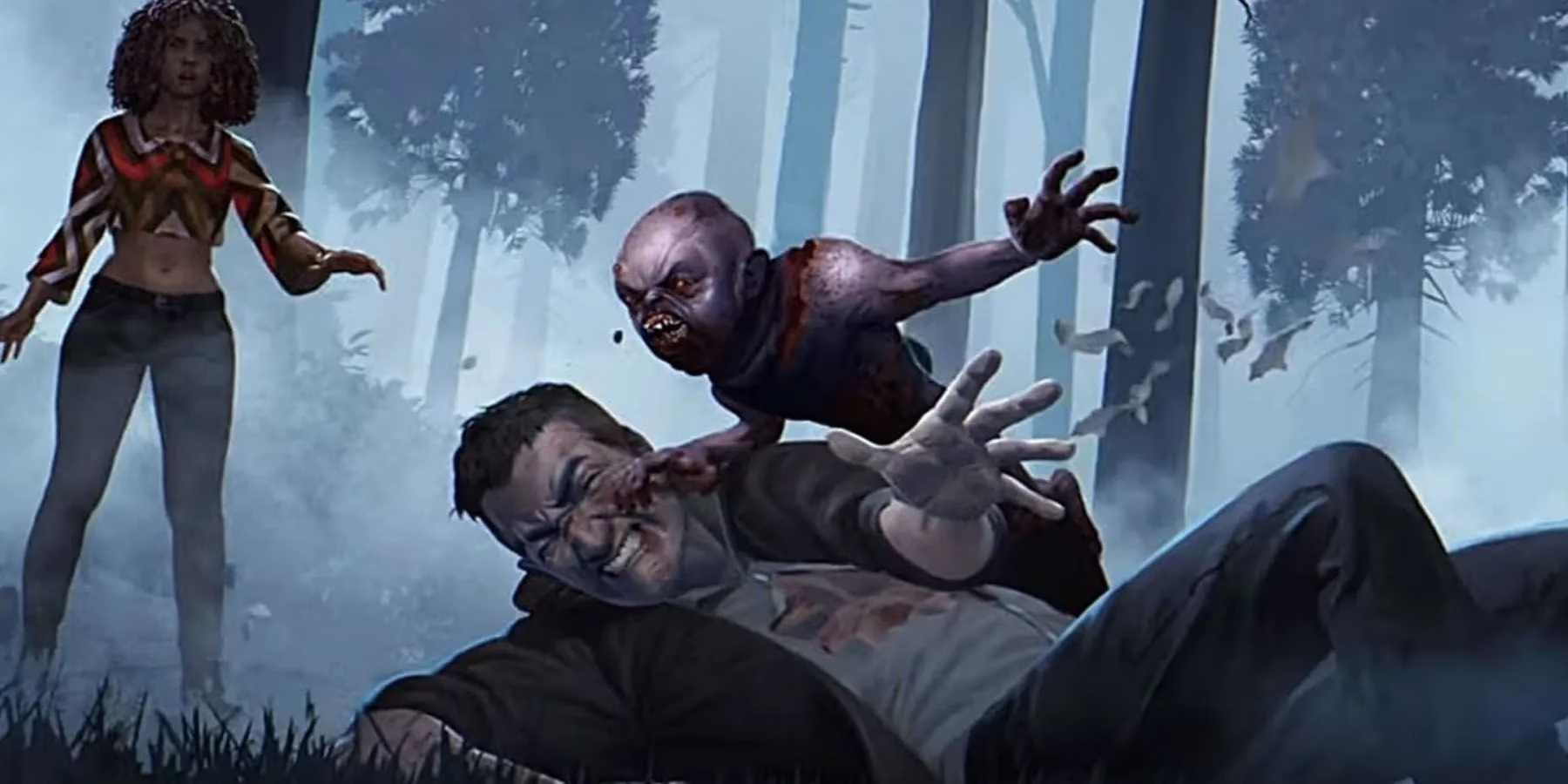
This is not just an attack; it is a leash.
Victor's Weaknesses
Victor may be the deadlier half, but he is also fragile. Left idle, he can be crushed by a survivor, which forces him to regrow on Charlotte over six seconds. A Pounce that hits a taller obstacle dissolves him. A missed Pounce leaves him vulnerable. Even when latched, a survivor can remove Victor after completing an eight-second action. Additionally, Victor dissolves automatically after 90 seconds, and Charlotte can recall him after 30 seconds. Knowing these limits is essential for a Twins player who wants to avoid losing pressure.
Strategies for a Two-Body Hunt
The most effective Twins players treat Victor as the scout and Charlotte as the executioner. One reliable strategy is to hide Charlotte near generators but out of sight. Release Victor to wander, trigger Killer Instinct, and then lure an unsuspecting survivor straight into Charlotte's ambush.
Another strong tactic revolves around hooks. After hooking a survivor, keep Charlotte outside the hooked survivor's terror radius. Patrol with Victor instead. When Killer Instinct triggers, Pounce on the rescuer. This often bypasses Borrowed Time and secures a second hook.
In a chase, use both twins. Chase with Charlotte until close, then release Victor for an unexpected Pounce. Once Victor latches on, Charlotte has roughly 30 seconds to find the vulnerable target and finish the job.
And what if all generators are done? The Twins still have a final trick. A survivor with Victor latched cannot leave through an exit gate. A patient player can guard the gate, latch Victor onto one survivor, and force the team into chaos. Hook that survivor, send Victor out again, and the endgame collapse becomes a family trap.
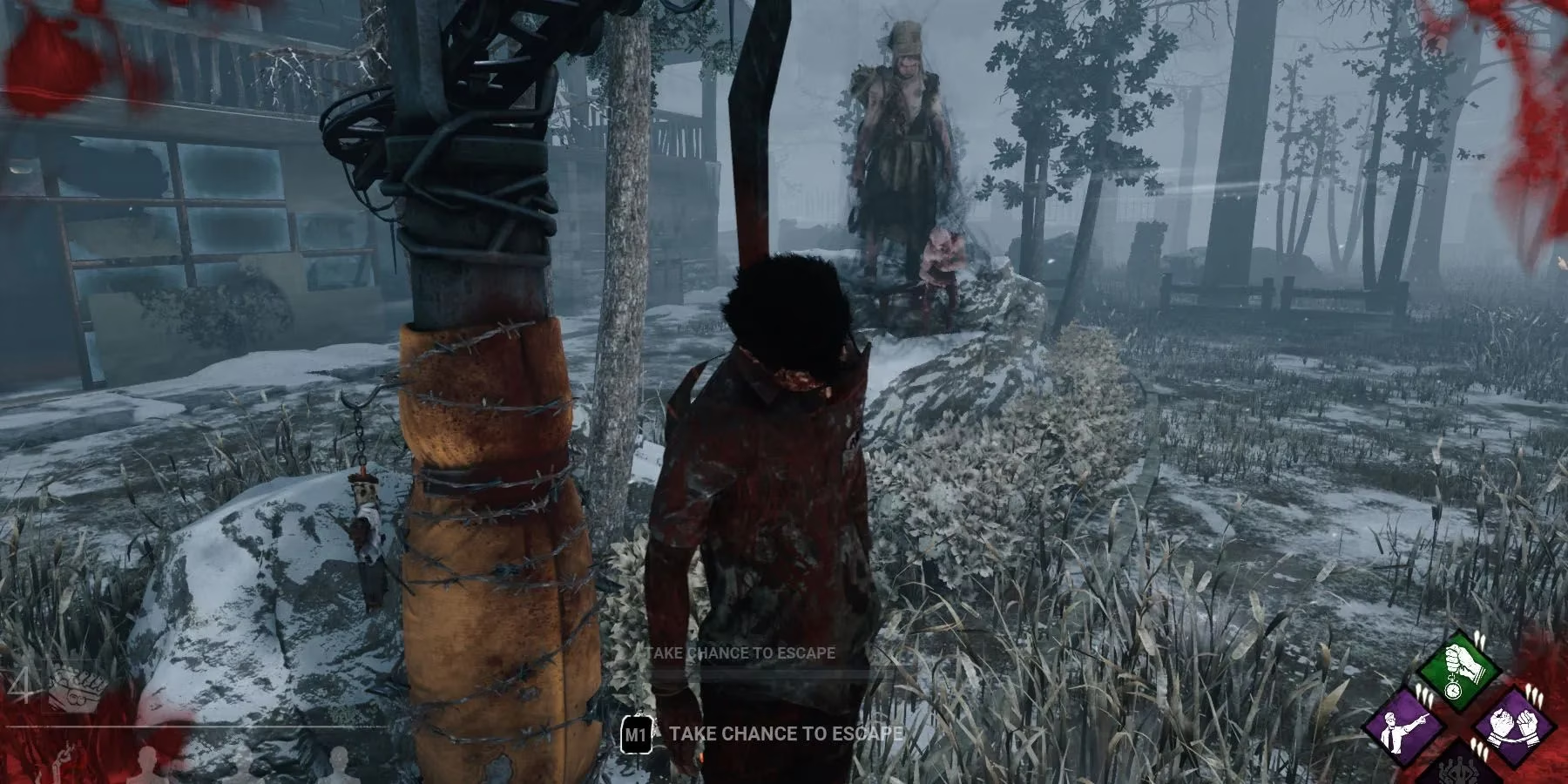
In 2026, Dead by Daylight still rewards killers who understand that The Twins are not two characters sharing one slot; they are one nightmare split across two bodies. Master the bond, and the trial becomes less of a hunt and more of a funeral procession.